Helpful Tips for Eco-Friendly PPE Waste Management
Personal Protective Equipment (PPE) has become a staple in daily life, especially after the global health crises in recent years. Items like face masks, gloves, face shields, and disposable gowns have played a crucial role in minimizing contagion and keeping healthcare professionals, workers, and the general public safe. However, the increasing use of single-use PPE has also contributed significantly to environmental pollution.
This comprehensive guide offers helpful tips for eco-friendly PPE waste management, presenting actionable strategies and insights to reduce the ecological impact of PPE waste while maintaining safety and hygiene standards.
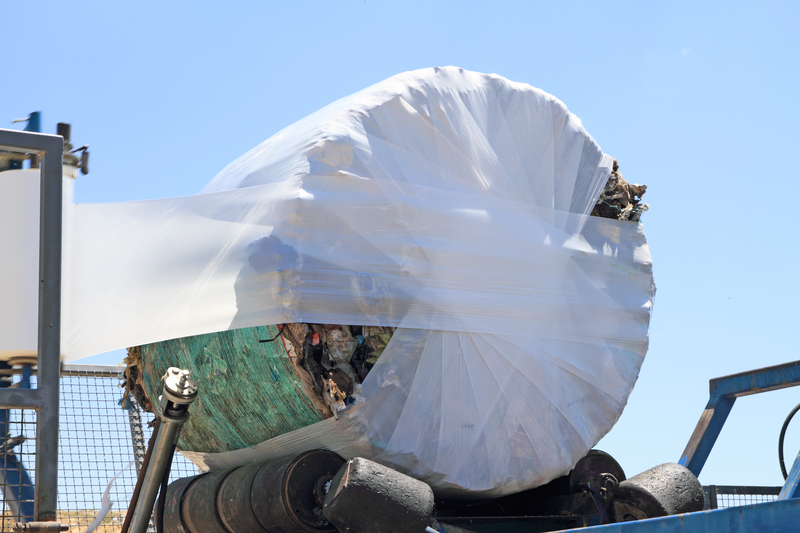
Why Is Eco-Friendly PPE Disposal Important?
PPE is typically made from non-biodegradable plastics, such as polypropylene and polyethylene, which can persist in the environment for decades. Improper disposal--such as littering or throwing PPE in general trash--adds to landfill overload, causes harm to wildlife, and contributes to the global plastic pollution crisis. Adopting eco-conscious PPE disposal practices can make a significant positive difference for our planet and communities.
Key Environmental Consequences of Improper PPE Waste Disposal
- Wildlife Hazards: Animals can mistake disposable masks and gloves for food, leading to ingestion and potentially fatal consequences.
- Soil and Water Pollution: Chemicals from decomposing PPE leach into soils and water bodies, contaminating ecosystems.
- Microplastics: Degraded plastic PPE can break down into microplastics, entering the food chain and harming both wildlife and humans.
Effective Strategies for Eco-Friendly PPE Waste Management
1. Reduce and Reuse When Possible
- Choose Reusable PPE: Where applicable, opt for washable cloth masks, reusable face shields, and durable gowns over single-use options. Ensure they're used and disinfected properly to maintain safety.
- Bulk Purchasing: Buying in bulk not only reduces packaging waste but also ensures organized use, preventing overconsumption and wastage.
2. Segregate PPE Waste from General Waste
Proper segregation is the first step towards effective PPE recycling and disposal. Follow these segregation guidelines:
- Designated PPE Disposal Bins: Place clearly marked bins for PPE waste in homes, workplaces, and public spaces. These bins should be lined with plastic bags and emptied regularly.
- Color Coding: Use color-coded bins--such as red or yellow--for medical waste to distinguish from standard trash and minimize contamination risks.
3. Promote Recycling of PPE Waste
- Identify Recyclable PPE: Some PPE, such as plastic face shields and certain types of masks, can be recycled if they're clean and not contaminated with hazardous materials.
- PPE Recycling Programs: Support and participate in specialized PPE recycling initiatives, like those provided by TerraCycle or local municipal programs. These services collect used PPE and convert the materials into useful products, reducing landfill waste.
4. Responsible Handling and Storage
- Safe Collection: Avoid handling used PPE with bare hands. Always use gloves or tools to minimize contact and potential contamination.
- Temporary Storage: If immediate disposal or recycling isn't possible, store used PPE in sealed bags or containers away from children and animals.
5. Educate and Involve Your Community
- Inform Others: Share information about the environmental impact of PPE waste and the importance of proper disposal. Awareness campaigns in schools, offices, and public places can encourage eco-friendly habits.
- Support Green Policies: Advocate for businesses and local governments to implement eco-friendly PPE waste managements, such as providing dedicated collection bins and supporting recycling programs.
6. Innovative Alternatives and Green Product Choices
- Biodegradable PPE Products: Choose masks, gloves, and gowns made from biodegradable or compostable materials wherever available. These options minimize environmental harm if they end up in landfills.
- Sustainable Sourcing: Purchase PPE from suppliers who use recycled materials or maintain eco-friendly manufacturing practices.
Best Practices for Healthcare Facilities and Institutions
Healthcare facilities, laboratories, and large organizations often generate significant volumes of PPE waste. Implementing eco-friendly PPE waste management practices at scale can lead to remarkable environmental and public health benefits.
Institutional Guidelines for Sustainable PPE Disposal
- Staff Training: Educate all staff on correct PPE waste segregation, handling, and disposal processes. Regular training helps reinforce the importance of eco-friendly practices.
- Partnerships with Waste Management Companies: Collaborate with certified waste disposal companies specializing in environmentally safe treatment of medical waste.
- Onsite Sanitization: Where possible, onsite autoclaving or incineration should be conducted according to regulatory and eco-friendly standards.
- Inventory Management: Prevent overstocking and waste by monitoring PPE inventory and usage rates. Implement a first-in, first-out system to minimize expired unused PPE going to waste.
Understanding PPE Waste Regulations
Countries and regions often have specific legislation regarding medical and PPE waste disposal. Following these regulations ensures not only public safety but also environmental protection:
- Local Guidelines: Always confirm and follow your local waste management laws for handling potentially infectious materials. This may include specific bag colors, labeling, and storage durations.
- Reporting Requirements: Large generators of PPE waste should maintain detailed disposal logs and report as necessary to regulatory authorities.
- Regular Audits: Conduct periodic audits and reviews of your PPE waste management plan to ensure compliance and effectiveness.
Reducing PPE Waste Through Behavior Change
Besides systemic efforts, individual behavior change makes a measurable impact.
Simple Everyday Steps to Reduce PPE Waste
- Use Only When Necessary: Do not overuse single-use PPE. Assess risks and use PPE according to guidelines to minimize unnecessary waste.
- Care for Reusable PPE: Properly wash and store reusable items so they can be used multiple times and replaced less often.
- DIY Solutions: When possible, craft homemade cloth masks following health authority recommendations. This can curb the demand for disposables while providing adequate protection.
Technological Innovations in PPE Waste Management
Emerging technologies are transforming how we approach eco-friendly PPE waste disposal:
- Advanced Recycling Techniques: Breakthroughs such as pyrolysis and chemical recycling are allowing PPE plastics to be processed into raw materials for new products.
- Smart Waste Collection: IoT-enabled bins equipped with sensors help optimize collection schedules, minimize overflow, and track PPE waste volumes, boosting efficiency.
- PPE Waste-to-Energy: Some facilities are investigating waste-to-energy conversion, turning PPE waste into electricity or heat while minimizing landfill use.
Challenges and Barriers to Eco-Friendly PPE Disposal
While the need for environmentally sound PPE waste disposal is clear, several challenges persist:
- Contamination Risks: Potential viral load on used PPE means some items cannot be safely recycled without pre-treatment.
- Lack of Infrastructure: Many regions lack the facilities or systems for proper collection and processing of PPE waste.
- Limited Awareness: Not everyone understands the environmental toll of PPE waste or their role in mitigating it.
- Cost Considerations: Biodegradable or recyclable PPE and specialized waste management can be more expensive, which may discourage adoption at scale.
Case Studies: Success Stories in Eco-Friendly PPE Waste Management
Example 1: UK's National Health Service
The UK's NHS piloted a PPE recycling program that turned used masks and visors into plastic bins and school supplies. This reduced PPE landfill contributions by hundreds of tons annually and inspired other health institutions to follow suit.
Example 2: Community-Level PPE Collection in India
Some Indian municipalities have established door-to-door PPE waste collection services, coupled with public awareness campaigns on sorting and safe disposal. This approach has improved both environmental and public health outcomes in urban communities.

Frequently Asked Questions (FAQs) about Eco-Friendly PPE Waste
Can My Home Recycle Used Masks and Gloves?
Typically, household recycling programs do not accept used masks and gloves due to contamination risks. However, specialized take-back programs offered by nonprofits or manufacturers may be an option. Always consult your local waste authority for guidance.
Is It Safe to Compost Biodegradable PPE?
Biodegradable PPE products labeled as compostable may be composted, but only if they haven't been contaminated with potentially infectious agents. When in doubt, dispose of them following local hazardous waste guidance.
What Should Employers Do to Promote Sustainable PPE Waste Management?
Employers should provide adequate training, install dedicated PPE disposal bins, partner with responsible waste processors, and consider providing reusable PPE wherever practical.
Are There Alternatives to Single-Use PPE?
Yes, reusable masks, face shields, and gowns are available and suitable for many settings. For high-risk environments, research into safe, biodegradable options continues to expand.
Conclusion: Collective Steps Toward a Greener Future
Tackling the issue of PPE waste requires a holistic, community-driven approach that prioritizes both health safety and environmental stewardship. By applying these helpful tips for eco-friendly PPE waste management--from choosing reusable or biodegradable products to supporting innovative recycling programs and spreading awareness--we can minimize our ecological footprint without compromising personal or public safety.
Every responsible action, whether at home, work, or in large institutions, brings us closer to a sustainable future. The next time you reach for a mask or glove, consider its life cycle--and help protect both your health and the planet.
Helpful Resources and Additional Reading
- EPA Guidance on Disinfectants and PPE Waste
- World Health Organization: Safe Management of Wastes from Healthcare Activities
- TerraCycle PPE Recycling Program
Together, let's champion eco-friendly PPE disposal for a cleaner, safer world.
